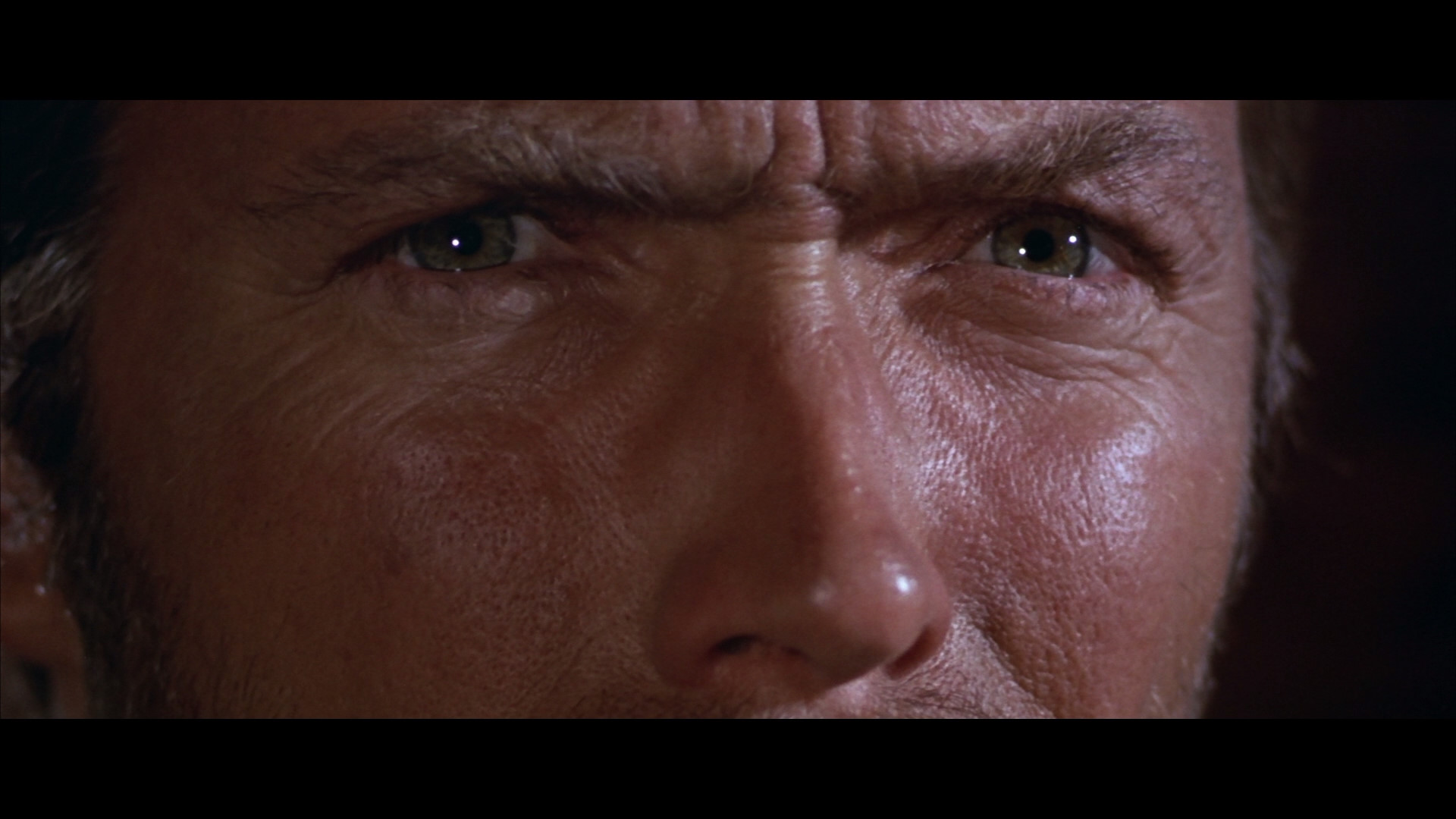
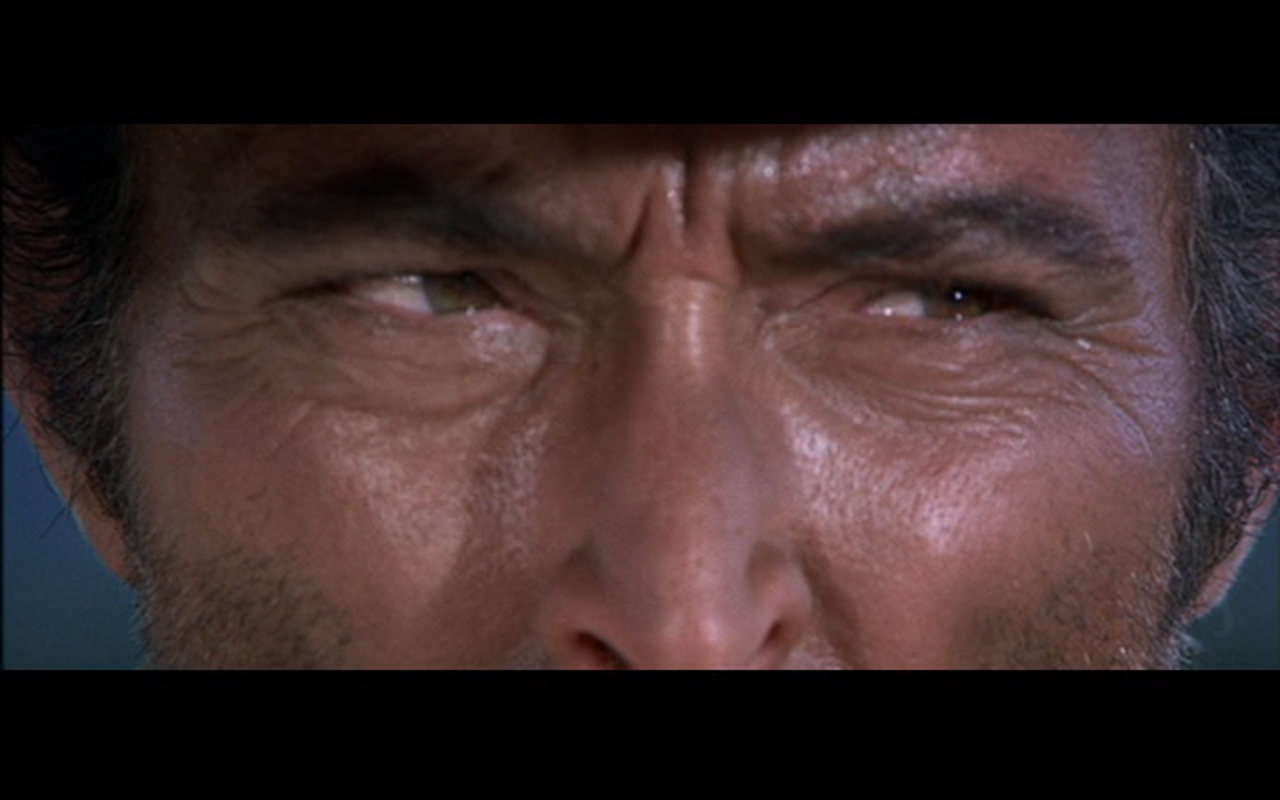
Showing posts with label westerns. Show all posts
Wednesday, July 31, 2019
Homage to the lack of interest
Once Upon a Time in Hollywood is Quentin Tarantino still doing what he's always been doing: spending time imagining how the American film industry could have been different, while offering a paean to what it was, anyway. The only real problem is that he's not doing it as well, anymore.
Tarantino has long been criticized for his use of homage to other films and film styles. Reservoir Dogs, for example, has been cited for a number of similarities to Ringo Lam's City on Fire. Tarantino hasn't shied away from these implied insults, suggesting that what he does is reference the work of other authors while putting his own spin on it. This latest film, though, is what amounts to an homage to a time period and is subsumed in cultural references to that period, using the famed Manson murders as something of a real world backbone to what was happening in the fantasy land known as Hollywood. In fact, both male leads are based on actual people, with Leonardo DiCaprio's Rick Dalton being a pastiche of actors like Tab Hunter and Brad Pitt's Cliff Booth representing long-time Burt Reynolds stunt double, Hal Needham. Margot Robbie, of course, plays the actual Sharon Tate (and, on that note, Mike Moh's Bruce Lee is both well done and fairly amusing.) The period in question was one of transition in Hollywood (and the nation), where tried and true stalwarts like Westerns were giving way to the New Hollywood of more introspective pictures in the hands of names like Scorsese, Coppola, and Altman. Tarantino takes time to emphasize that societal change with Dalton and Booth's constant references to "hippies" and how they're seemingly appearing everywhere, with occasionally bloody consequences, while Dalton lives out the creative change, with his type of performer no longer being in demand.
So there is a story here, of Dalton's career struggle and Booth's faithful assistance. And there is a message here; of transition, of social transformation, and of the continued presence of violence in all of it. But what's missing is anything particularly memorable about the film. Tarantino made his bones with dialogue. Reservoir Dogs, Pulp Fiction, Jackie Brown, Inglourious Basterds, even his segment in Four Rooms are all memorable for the way their characters communicate. Who can forget the conversation in the diner that veers from a discussion on whether pigs are fit to eat to the seeming nobility of a lifestyle change? Or the tension of a farmhouse in France while an SS colonel expounds on work, duty, and milk? Or the matter-of-fact explanation of a murder? Nothing like that exists in Once Upon a Time. There aren't really any memorable scenes, outside of a violent confrontation near the end and Dalton's occasional rants about himself in a mirror. One of them was dialogue-light and the other was dialogue-neutral. Despite the acting prowess of most of the people in the film, the one or two memorable lines come from child actress (excuse me: "actor") Julia Butters who stuck out as an homage to Kim Darby's role in True Grit. If you go into this expecting a Hans Landa or a Jules Winfield or a Calvin Candle, you're going to be disappointed. Tarantino took some criticism for his previous film, The Hateful Eight, being a wholly predictable and somewhat formulaic Western. Now he's made a film about the (temporary) end of Westerns that is no less predictable.
DiCaprio is his usual intense self, bringing energy and animus to a routine role. Pitt's job on screen is basically to be cool. Pitt is very good at being cool (see: Ocean's Eleven), so he handles it with aplomb. But that's as far as they both go. There's not enough in this script to give them moments that would leave an impact in the minds of the viewer. No one is going to be walking out of the theater reciting Ezekiel 25:17 or giving the plantation owner's opinion on the structure of power in the Old South. Watching a stuntman's personality expressed in his driving style and Sharon Tate's giddiness at her own success onscreen is interesting enough to keep the film moving, but there's frankly nothing that one walks out with and says "That's a Tarantino film!" until we get to the faux commercial during the credits for his long-time fictional Red Apple cigarettes. Again, this is an homage to an era, so we get a lot of looks at signage, architecture, car fenders, and other signs of the real world of that time surrounding the fantasy world and that's all well and good for a decent film. But it doesn't quite reach the level of a great one and, having been a Tarantino fan since the early 90s, that's usually what I'm expecting.
There have been some comparisons of this film to Jackie Brown; generally considered the weakest of his efforts but also the most languid and most personal of the stories that he's told. I think the comparison is apt, as this is a personal story, slowly played out amidst the foibles and contrasting outer lifestyles of the two leads, but whose lives intersect in their careers which, again, are part of the homage. Bit appearances by the usual suspects of Tarantino (Michael Madsen, Kurt Russell, etc.) are fine as inside jokes for those who've followed his films, but they don't add much, either (those seeing this as a meta reference to the former studio stables of actors are likely getting the joke.) I read about a poll the other day that mentioned the higher percentage than normal of attendees seeing the film because of the director and because of the actors involved. That actually says a lot about the film itself and why I can only passably recommend it. It's not bad. It's just not that great, either.
Thursday, April 19, 2012
On Westerns
Sometime last year I made an off-hand comment about doing a post on Westerns, as they've long been one of the more interesting genres of American film, in my opinion. I grew up in the 70s, when the Western was largely dormant, but Clint Eastwood's famous "Man with No Name" trilogy was present in syndication and he and Lee Van Cleef became early heroes of mine (alongside Mr. Spock, Godzilla, and Cornelius from Planet of the Apes.) I think that first exposure colored my view of Westerns from then on, as I was non-plussed with the more "standard" John Ford/John Wayne-style material even as a kid. The notion of everything being so clean and orderly and transparent as to whom was the "bad guy" and whom was the "good guy" seemed utterly foreign to me after the dirt and dust and variable ethics of The Good, the Bad, and the Ugly. The former seemed like Hollywood. The latter seemed like life. Having seen many more examples of those styles and more in the years since, I tended to perceive a progression of three distinct periods of the genre and a path of stylistic variance and return, but more evolutionary than periodic.
The classical period
This period covers everything from The Great Train Robbery up to the late 50s. The former was a 1903 film short at a time when fiction about "the Old West" was still a popular pastime in the US. Many of the standout figures of that era, such as Wyatt Earp and Bat Masterson, were still alive at the time and the fictionalization of their various careers had long been established, something touched upon by Eastwood in his Unforgiven, when Little Bill confronts English Bob's biographer about the facts behind the case of The Duke (Duck) of Death.
The mythology of the "Old West" was one based on the hard life that was presented by the frontier, as opposed to the more civilized environs of the East Coast and the original colonies and their urban areas. On the frontier, you had no organized government and lesser respect for the laws that it defended. Furthermore, you had greater threats in terms of exposure, wildlife, and what was presented as the almost-ubiquitous threat of the "savage" Amerindian peoples. Combine all of that with the lack of resources or personal infrastructure of many of the settlers and you had that "harder life" which naturally trends toward stories of great adventure (cue Joseph Campbell's "hero's journey".) The authors of what would later be known as "pulp fiction" were happy to emboss the actually often-mundane realities and gloss over the occasionally sordid details.
This was a tradition that directors like John Ford and Howard Hawks were glad to carry on, whether because it was a personal outlook on concepts like the American/white man's destiny or because they, like the pulp writers, knew what would sell if properly presented (often in that "destiny" vein.) As times moved on in the 20th century, the glorification of the Western frontier, now long past, was also a method of confirming the heroic status of American culture for directors, actors, and audiences. The fact that the frontier life was easily slotted into simplistic moral and ethical scenarios that called for blunt, black-or-white decisions tended to reinforce two things: the concept of frontier people as "heroic" because of their easy acceptance of the way things were (akin to Robert E. Howard's assertion that barbarian ethics, like those of his famous Conan, were superior to civilized corruption); and the anti-intellectualism of those same heroic individuals. Those people didn't need to stop to consider the ramifications of their racial, ethical, or environmental decisions. They were acting that way because the frontier demanded it and, if one wanted to survive on the frontier, then this is how things were handled, especially if you were the "good guy".
As the century progressed and the frontier receded into the historical horizon ("Don't go, Shane!") and began to be overtaken by the possibility of a new frontier overhead, the Western began a transition from the relatively obvious moral decisions of John Ford characters to situations where it became difficult to tell the "white hats" from the "black hats", even using those frontier ethics. In fact, it became easier to associate everyone with "gray hats", especially because that made them... you know... human. It started with a film called Vera Cruz,
Vera Cruz is set during the Franco-Mexican "intervention" and was notable for its rampant cynicism and casual attitude toward violence, which was fairly startling for a movie in 1954. It's considered an inspiration for many later films, including those of Sergio Leone, who is the key player in the real change in Westerns in the 60s. Another contributor to this trend was Warlock.
Warlock presented a situation where the most prominent actor, Henry Fonda, wasn't either the hero or the villain, but more of an "anti-hero". He was still a lawbreaker and was opposed by the genuine "good guy" of Widmark, but it was clear that his intentions were at least nominally good the whole time. This character, more than any other, was predictive of Eastwood's Man with No Name.
The spaghetti period
Sergio Leone wanted to do Westerns, but he wanted to do them with a more realistic bent, reflecting the questioning of society's underpinnings that was occurring throughout modern culture during the 1960s. In a curious twist, he and other directors of the time were deeply inspired by Akira Kurosawa, Japan's most famous cinematic auteur who had begun a series of samurai films inspired largely by Shakespeare and... John Ford Westerns! Indeed, John Sturges' The Magnificent Seven was a remake of Kurosawa's Seven Samurai and Leone's A Fistful of Dollars so closely aped Kurosawa's Yojimbo that the latter's producers sued and won damages. Kurosawa's films are notable for many things, but one of the most prominent is the often difficult ethical situations faced by his characters who are frequently having to combat personal mores, as well as those of society. His most memorable characters(in addition to being Toshiro Mifune) are typically loners because of their need to be external to society's strictures in order to be confronted with these situations in the first place. Enter: Clint Eastwood.
A Fistful of Dollars introduced the first truly prominent anti-hero to the American Western genre. Eastwood's character, known as "Joe" (the press would soon tag the Leone/Eastwood trilogy of films as "The Man with No Name" series, even though his character had a name in all three films) seems to be acting in the general direction of "good" but makes it clear that he's most interested in the money and the outcome for the public weal is incidental... except when Marianne Koch as Marisol asks him why he was helping and he makes a reference to his past and a woman he'd once known. So, resolving personal issues or actually doing the "right thing"? That's left to the audience to determine, which is exactly as it should be.
Leone and Eastwood continued their association with For a Few Dollars More and, finally, one of the finest films ever made: The Good, The Bad, and The Ugly.
The Western genre would be changed forever with that trio of films released from 1964 to 1966, but it would take American audiences (and directors) a while to catch on. Other than Leone's brilliant Once Upon a Time in the West, the genre really wouldn't have any significant releases until Eastwood began making his own films in the mid-70s and those drew significantly from an altered assessment of the time period, as well as Leone's genre-shifting work.
The pasta-modern period
Society had moved on from the idea of simplistic heroes and villains. After the turmoil presented by the Vietnam War and Watergate, the presence of a character like the Man with No Name (or the Outlaw Josey Wales) seemed almost a given. Certainly, there were films that attempted to stay within the confines of the Ford/Hawks template and there were homages to that approach, like Lawrence Kasdan's Silverado (which everyone should see, if only for John Cleese's performance as a local sheriff: "As you may have noticed, I am not from these parts.") but most took the more cynical approach of the American public and Leone's take on the genre and began to view it in a seemingly post-modern, constructivist perspective. Not least among these was Eastwood himself, who directly questioned the myth-making of the period with his Unforgiven:
But other fine examples abound, especially those that lifted the genre away from its formerly perpetual obsession with the "unrepentant savages that threatened the frontier way of life", like Dances with Wolves and Geronimo. They appeared alongside films that continued to question the myths surrounding key figures of the period (Wyatt Earp, Tombstone) and remakes that presented their earlier plots in a more intricate skein of people, agendas, and changing times, like the recent 3:10 to Yuma:
In many ways, the modern Western is similar to what the modern gangster movie has become post-Godfather and post-Sopranos: conscious of history and self-aware of the modern perspective that now arches an eyebrow at much of that history. At some point in the future, I'll probably delve back into the Leone/Eastwood trilogy, as those films still carry the most weight for me in the genre as a whole (despite my appreciation for direction and performances, I am not much of an Unforgiven fan, for example.) And, of course, one of these days I should do a post about Kurosawa. And, speaking of Japanese films, watching Godzilla on the 4 O'clock Movie, back in the day...
The classical period
| John Ford's Stagecoach, 1939. |
This period covers everything from The Great Train Robbery up to the late 50s. The former was a 1903 film short at a time when fiction about "the Old West" was still a popular pastime in the US. Many of the standout figures of that era, such as Wyatt Earp and Bat Masterson, were still alive at the time and the fictionalization of their various careers had long been established, something touched upon by Eastwood in his Unforgiven, when Little Bill confronts English Bob's biographer about the facts behind the case of The Duke (Duck) of Death.
The mythology of the "Old West" was one based on the hard life that was presented by the frontier, as opposed to the more civilized environs of the East Coast and the original colonies and their urban areas. On the frontier, you had no organized government and lesser respect for the laws that it defended. Furthermore, you had greater threats in terms of exposure, wildlife, and what was presented as the almost-ubiquitous threat of the "savage" Amerindian peoples. Combine all of that with the lack of resources or personal infrastructure of many of the settlers and you had that "harder life" which naturally trends toward stories of great adventure (cue Joseph Campbell's "hero's journey".) The authors of what would later be known as "pulp fiction" were happy to emboss the actually often-mundane realities and gloss over the occasionally sordid details.
This was a tradition that directors like John Ford and Howard Hawks were glad to carry on, whether because it was a personal outlook on concepts like the American/white man's destiny or because they, like the pulp writers, knew what would sell if properly presented (often in that "destiny" vein.) As times moved on in the 20th century, the glorification of the Western frontier, now long past, was also a method of confirming the heroic status of American culture for directors, actors, and audiences. The fact that the frontier life was easily slotted into simplistic moral and ethical scenarios that called for blunt, black-or-white decisions tended to reinforce two things: the concept of frontier people as "heroic" because of their easy acceptance of the way things were (akin to Robert E. Howard's assertion that barbarian ethics, like those of his famous Conan, were superior to civilized corruption); and the anti-intellectualism of those same heroic individuals. Those people didn't need to stop to consider the ramifications of their racial, ethical, or environmental decisions. They were acting that way because the frontier demanded it and, if one wanted to survive on the frontier, then this is how things were handled, especially if you were the "good guy".
As the century progressed and the frontier receded into the historical horizon ("Don't go, Shane!") and began to be overtaken by the possibility of a new frontier overhead, the Western began a transition from the relatively obvious moral decisions of John Ford characters to situations where it became difficult to tell the "white hats" from the "black hats", even using those frontier ethics. In fact, it became easier to associate everyone with "gray hats", especially because that made them... you know... human. It started with a film called Vera Cruz,
Vera Cruz is set during the Franco-Mexican "intervention" and was notable for its rampant cynicism and casual attitude toward violence, which was fairly startling for a movie in 1954. It's considered an inspiration for many later films, including those of Sergio Leone, who is the key player in the real change in Westerns in the 60s. Another contributor to this trend was Warlock.
Warlock presented a situation where the most prominent actor, Henry Fonda, wasn't either the hero or the villain, but more of an "anti-hero". He was still a lawbreaker and was opposed by the genuine "good guy" of Widmark, but it was clear that his intentions were at least nominally good the whole time. This character, more than any other, was predictive of Eastwood's Man with No Name.
The spaghetti period
Sergio Leone wanted to do Westerns, but he wanted to do them with a more realistic bent, reflecting the questioning of society's underpinnings that was occurring throughout modern culture during the 1960s. In a curious twist, he and other directors of the time were deeply inspired by Akira Kurosawa, Japan's most famous cinematic auteur who had begun a series of samurai films inspired largely by Shakespeare and... John Ford Westerns! Indeed, John Sturges' The Magnificent Seven was a remake of Kurosawa's Seven Samurai and Leone's A Fistful of Dollars so closely aped Kurosawa's Yojimbo that the latter's producers sued and won damages. Kurosawa's films are notable for many things, but one of the most prominent is the often difficult ethical situations faced by his characters who are frequently having to combat personal mores, as well as those of society. His most memorable characters(in addition to being Toshiro Mifune) are typically loners because of their need to be external to society's strictures in order to be confronted with these situations in the first place. Enter: Clint Eastwood.
A Fistful of Dollars introduced the first truly prominent anti-hero to the American Western genre. Eastwood's character, known as "Joe" (the press would soon tag the Leone/Eastwood trilogy of films as "The Man with No Name" series, even though his character had a name in all three films) seems to be acting in the general direction of "good" but makes it clear that he's most interested in the money and the outcome for the public weal is incidental... except when Marianne Koch as Marisol asks him why he was helping and he makes a reference to his past and a woman he'd once known. So, resolving personal issues or actually doing the "right thing"? That's left to the audience to determine, which is exactly as it should be.
Leone and Eastwood continued their association with For a Few Dollars More and, finally, one of the finest films ever made: The Good, The Bad, and The Ugly.
The Western genre would be changed forever with that trio of films released from 1964 to 1966, but it would take American audiences (and directors) a while to catch on. Other than Leone's brilliant Once Upon a Time in the West, the genre really wouldn't have any significant releases until Eastwood began making his own films in the mid-70s and those drew significantly from an altered assessment of the time period, as well as Leone's genre-shifting work.
The pasta-modern period
Society had moved on from the idea of simplistic heroes and villains. After the turmoil presented by the Vietnam War and Watergate, the presence of a character like the Man with No Name (or the Outlaw Josey Wales) seemed almost a given. Certainly, there were films that attempted to stay within the confines of the Ford/Hawks template and there were homages to that approach, like Lawrence Kasdan's Silverado (which everyone should see, if only for John Cleese's performance as a local sheriff: "As you may have noticed, I am not from these parts.") but most took the more cynical approach of the American public and Leone's take on the genre and began to view it in a seemingly post-modern, constructivist perspective. Not least among these was Eastwood himself, who directly questioned the myth-making of the period with his Unforgiven:
But other fine examples abound, especially those that lifted the genre away from its formerly perpetual obsession with the "unrepentant savages that threatened the frontier way of life", like Dances with Wolves and Geronimo. They appeared alongside films that continued to question the myths surrounding key figures of the period (Wyatt Earp, Tombstone) and remakes that presented their earlier plots in a more intricate skein of people, agendas, and changing times, like the recent 3:10 to Yuma:
In many ways, the modern Western is similar to what the modern gangster movie has become post-Godfather and post-Sopranos: conscious of history and self-aware of the modern perspective that now arches an eyebrow at much of that history. At some point in the future, I'll probably delve back into the Leone/Eastwood trilogy, as those films still carry the most weight for me in the genre as a whole (despite my appreciation for direction and performances, I am not much of an Unforgiven fan, for example.) And, of course, one of these days I should do a post about Kurosawa. And, speaking of Japanese films, watching Godzilla on the 4 O'clock Movie, back in the day...
Subscribe to:
Posts (Atom)