Showing posts with label Zelazny. Show all posts
Monday, August 13, 2018
Creatures of Light and Darkness
For those of you that are New Wave SF nerds like me, you'll recognize the title of one of Roger Zelazny's more esoteric novels. Originally envisioned as simply a writing exercise, Zelazny never intended to publish Creatures of Light and Darkness. But once friend and fellow author, Samuel Delany, heard about it, he encouraged an editor to take the manuscript from Zelazny and put it into print, for good or ill. It has one chapter devoted entirely to poetry and the end is written like a screenplay. In other words, it's a very stylized approach to telling another of Zelazny's stories about futuristic beings of myth and their very human motivations. Similarly, Michelle MacLaren, director of the latest episode of Better Call Saul, used a backlighting technique throughout to indicate moments of tension, where the conflict between characters was subtle but significant to the story; where decisions kept the direction of the story for those characters balanced on that edge between light and darkness that scientists call 'the terminator' as sunlight creeps across the spinning ball of our planet. Would their decisions move them wholly into the light or the darkness or would continue to inhabit the halfway point, not quite sure how or if to proceed?
The first example was Jimmy and Kim, as the former putters around the kitchen, determined to flee from having to talk with Kim about recent events, and to reassure himself that he can still be of value, even without the law license that his now dead brother wrested from him; the only real thing of value that Jimmy has ever acquired in his life. Jimmy's face is shrouded like his soul is and looking away from the light just shows how unwilling he is to face his role in what happened. The next example was Ignacio, who faced his father in darkness, trying to reassure him that the threat from the Salamancas to launder money through his car business was finished, although his father cannot look at his shrouded son. Nevertheless, still fearing for the safety of the son who so wounded him by involving himself with criminals, pays the tax, anyway. Ignacio tries to convince him not to and then surrenders to what he knows he cannot change. The next example was the meeting between Mike and Lydia, as the latter cringes from Mike's bold play at the warehouse, thinking that continuing as normal is better than laying the defense against his inevitable discovery by someone. Mike knows better, but still has to convince the person who effectively outranks him. Here is the former cop, still walking in the twilight with his new partner who covers the drug business contained within the parent corporation; meeting in a darkened conference room, as if someone might discover them with the lights turned on.
The technique is still in evidence when Kim accosts Howard over the backhanded estate settlement that she knows will only further demoralize Jimmy. Their conflict is much more prominent and not subtle, so the contrast is fainter, as Kim's fury lights up the scene. But there's still the faint shadow that symbolizes the undercurrent of Howard wanting to get a last jab in at Jimmy, whom he knows tortured his friend and partner of many years, and Kim, despite her vociferous defense, knowing that Howard is probably justified in wanting to do so. But it comes back in full force in both instances when Gus' men tell him about the results of Hector's tests, as the light streaming through the window in the car and in his office leaves Gus partially in shadow as he struggles with himself and how he should proceed with his attempt to keep Hector alive so that only he can exact the full extent of the vengeance he desires ("I decide what he deserves. No one else.")
There is no shadow in the moment of direct conflict. When Ignacio and Arturo confront Gus' men over the number of kis that they're picking up, everything is brightly lit. The conflict is overt. The threat is real. There is no shadow across it. Everyone knows the motivations at hand and what actions they will drive. But the contrast returns when Arturo is killed and the implications of what Ignacio has done and what he will now have to do are spelled out to him by Gus. As direct as the threat may have been to Arturo, the shadow returns for Ignacio, denying him the assertion that he made to his father about how he was working on getting out of a bad situation, as he is now only that much deeper into darkness with someone who is far more dangerous than Hector.
I've really enjoyed Michelle MacLaren's work over the years on Breaking Bad and Game of Thrones, precisely for her deep understanding of story and how to present it in a visual manner. This may have been her finest effort yet in that respect. It doesn't hurt that Gilligan's writers continue to outdo themselves in presenting the cast with so much red meat to work with. Take Jimmy's interview with Neff Copiers. He knows they'll reject him as unsuitable for a sales job after having been a lawyer, whether it's because of a lack of actual experience or a belief that he'll decide the job is beneath him and they'll have to find someone else when he moves on to another law gig. So he goes back in to convince them that he has what it takes and easily does so. But his own self-loathing; the recognition that that kind of hucksterism is what he's been doing his whole life, prevents him from accepting the job that he wins. All he can think of is how these guys are precisely the kind of marks he's been working since forever and how he won't be able to respect them for giving in so easily to his routine. And, of course, how he can't stand himself at the moment for everything he's done to Chuck and how he doesn't deserve anything good to come his away, especially when it was achieved by Slippin' Jimmy.
Full marks to Rhea Seehorn in this episode. Her scene with Howard was one of her best moments in the entire series, as she ate him alive and confronted him with his own ulterior motives, while she took the opportunity to vent her frustration at the situation that Jimmy still keeps her in. She's doing amazing work and I hope it lands her other solid roles in the future. Similarly, Michael Mando as Ignacio has been getting progressively better as the series has moved along. The emotion on his face when Gus corners him and he realizes just how deep his personal hole has gotten was great. It was extremely entertaining to see Gus doing some of his own dirty work again, too. Other little details, like an appearance by The Cousins at Hector's bedside, and Jimmy and Kim deciding to watch White Heat, a noir film in this most noirish of BCS episodes and a film about a man confessing to a lesser crime to hide a larger one, pushed this one among the best of the series, in my opinion. I was still intrigued by episode one of this season, but episode two has launched BCS back near the top of my TV agenda (right behind Liverpool games.) The series can't get much better, which only makes me want to see how they're going to outdo themselves as we move along.
Thursday, October 8, 2015
Time travels they are a changin'
Amazon has produced their latest "100 Science Fiction and Fantasy books to read in a lifetime" list. Like most listicles, it's a marketing tool, but at the very least, it's an obvious marketing tool, coming from one of the three legs of the marketing (s)tool that makes up the Interwebs (the other two being Google and porn.) Couple things:
1. Why they feel compelled to combine SF and Fantasy, rather than splitting them into their own lists, is kind of jarring. They were always combined as the wing of geek literature that most booksellers didn't care about. Now, with the prevalence of all things geek (see: Game of Thrones, Marvel movies, impending Star Warsapalooza, etc.), you'd think that there's enough material to define each genre on its own. But, then again, it might be weak on the Fantasy side, but I think it's weak just based on what they have listed already (more below), especially since they insist on including some of the hoary classics that aren't even good books.
2. On the one hand, it's gratifying that they're including a lot of new (and very good) material rather than exclusively dwelling upon said hoary classics. OTOH, this is a marketing tool that can be used to sell new stuff, amirite? So, as with most listicles, this is one set of opinions and far from definitive. That said, again, good to see new(er) stuff, in addition to some things which may not have been recognized before.
I've read only 54 of them, believe it or not. Guess I'm slacking(?):
1. A Wizard of Earthsea. The first of three LeGuin selections. It's gratifying to see her reputation continue to grow as the decades pass, as she was among the best of the New Wave that elevated SF and Fantasy past what the Sad Puppies were whining for at the Hugos for the past few years. I liked the Earthsea stuff, but didn't stay with it.
2. The Windup Girl. One of the aforementioned newer selections. This was excellent.
3. Snow Crash. Still Stephenson's most iconic work, even if it is awash in "old school" cyberpunk trappings and came during his "troubled ending" phase, where it seemed like he had much more story to flesh out but decided to cut it off before he wandered too far afield. The Deliverator lives on.
4. Starship Troopers. Iconic and inflammatory in a far different way than the Verhoeven film, which remains high comedy in the guise of action.
5. Cloud Atlas. I enjoyed this one and I think the film was decent on its own merits. Do I think it belongs on this list? Maybe in one possible future.
6. 20K Leagues Under the Sea. This is one of those classics that I'm OK with in terms of giving the reader a broad appreciation of how the genre has developed and where it began.
7. The Forever War. This is one of those irreplaceable choices, because it remains timeless, even if it was a very pointed statement for its time.
8. Solaris. Lem's work was always legendary among the SF set. It's starting to descend to the hoary level, as one film after another tries to capture it and fails. I actually read this for an SF course at Michigan, suggesting that you can get something useful out of education.
9. The Road. Obvsly.
10. Slaughterhouse Five. Something else I read in that course at Michigan. Prior to that, I'd never really considered Vonnegut or his status as an SF author.
11. Blood Music. This was a selection in one of those "10 books for a penny" deals that Publishers Clearinghouse used to run. I knew Bear's name from several other books I'd seen on the shelves in bookstores, but had never stopped to read one. That's what marketing used to be.
12. 2001: A Space Odyssey. I appreciate the story, but this one has more impact for Kubrick's film, which makes me question its status as an actual thing you should read before you die, or simply one of those boxes to be checked.
13. Game of Thrones. This was also a selection on a different Publishers Clearinghouse list (yes, I guess I'm a good example of marketing success; that was the original cover, too), shortly after it was first published in 1996. I knew Martin only vaguely, but the blurb about political infighting in a fantasy world was enough for me to snag it.
14. Ender's Game. Another checked box. His best book and the one that should really be read is Speaker for the Dead.
15. Old Man's War. So, similar question: Do you include the first of a now-iconic series or do you replace it with the better writing and better story of later entries?
16. A Wrinkle in Time. I have several friends who swear by these books that they read when they were kids. I was unimpressed when I did.
17. The Sword of Shannara. Here's where we arc from pseudo-serious list into the land of total marketing. Sword was a blatant Tolkien ripoff and not a good book in any way. If you want to recommend anything from the Shannara series, you want The Elfstones of Shannara.
18. The Martian Chronicles. Box checked, but still a great work.
19. The Hitchhiker's Guide to the Galaxy. Worked better as a radio play, honestly. I think Adams would agree with me.
20. Sandman Slim. As pleased as I am to see this new(er) work here, I'm also kind of surprised. I didn't think it had gained the kind of cachet needed for this list.
21. The Left Hand of Darkness. Another LeGuin and probably her most famous.
22. Good Omens. I have a hilarious story about the attempts to write a screenplay of this book...
23. I Am Legend. Book decent, not sure it belongs here. Movie awful
24. Dune. Still probably the best fictional political tale until GoT and yet shared the Hugo with a much smaller book (This Immortal) written by a man absent from this list.
25. 1984. Box checked. Predictions continue to resonate, even 31 years past. The more things change...
26. Childhood's End. Forget 2001. This is the Clarke book that should be here, even if the imagery does get kind of heavy-handed. (Devils? Really?)
27. Lord Foul's Bane. Eh. I really enjoyed the Thomas Covenant stuff when I read it at the age of 10, even if it was an obvious Tolkien lift (it was done better than the Shannara stuff...) I guess it's become kind of a pillar of Fantasy, but I'm still arching an eyebrow.
28. Pawn of Prophecy. Awful. Eddings wrote these as an "exercise of the form" and his paper-thin characters and lack of real action display that to the fullest.
29. The Lord of the Rings. Box checked. Still worthwhile as the foundation of modern fantasy.
30. Ringworld. Possibly Niven's best stuff.
31. The Lion, the Witch, and the Wardrobe. Read these as a kid. Liked them better than l'Engle, even if the Christian imagery was obvious even then.
32. Red Mars. Was a great leap forward when it emerged. Robinson has been doing great stuff.
33. Dragonflight. Has unfortunately been an anchor around her neck ever since. I liked it when I first read it, but I drifted away from her books as I got older.
34. Stranger in a Strange Land. Overrated, but interesting for the deep insights into Heinlein's philosophy and his dismay at the changing times.
35. Brave New World. See: 1984.
36. The Gunslinger. Again, have a few friends who loved this series. I read this one and stopped. I just wasn't impressed.
37. American Gods. I don't have a good screenplay story about this one, but it's the better book of the two Gaiman selections included.
38. Neuromancer. Easily my favorite of the list. Gibson rejects this work now, but I'm an old-school cyberpunker and I still love the taut but fluid prose in much of it. This book inspired me to write more than any other.
39. The Handmaid's Tale. You can see the dreams of much of the Republican base. Solid, if unheralded, film, too, even if it largely deviates from the book.
40. World War Z. Great book. Riotously awful film.
41. H.P. Lovecraft: Tales. I've read all of them, even if not in this particular collection.
42. Riddle-Master. I read all of these on the advice of another of these lists (but printed on paper, as they did, back in the 80s) but never quite "got" them, I think.
43. Hyperion. Like Red Mars, kinda ground-breaking at the time, and deserving of all the praise it's gotten.
44. The Time Machine. Probably the better pick of the hoary classics, between this and War of the Worlds, since it's a social statement on the level of 1984 and others.
45. The Stars My Destination. Another I picked up as a kid from a "Best of" list.
46. Perdido Street Station. This is one of those books that discourages me from writing, since I don't think I'd ever be able to do something this good.
47. Interview with the Vampire. Ugh. Got 23 pages into it and put it down because she'd used the same phrase 4 times in those 23 pages. Old girlfriend insisted that it got better. It didn't.
48. The Hobbit. Marketing. Not a great book, prologue to LotR or not.
49. The Colour of Magic. Yes, it's the beginning, but The Light Fantastic is where the series and his writing really begin to shine.
50. A Canticle for Leibowitz. Still excellent, even today. That he didn't follow up is one of the great voids of the genre.
51. Frankenstein. Box checked. Read this for that class, too.
52. I, Robot. I find it fascinating how Asimov's Laws have become a kind of public property for much of science fiction.
53. Fahrenheit 451. I also find it fascinating how Bradbury's political views changed so much over the decades that he objected to Michael Moore's averring to his title.
54. Do Androids Dream of Electric Sheep? Perhaps the one instance where I'll say the movie (Director's Cut only!) was better.
Requisite "But where...?" response, albeit brief:
Where are Harlan Ellison and Roger Zelazny? If Neuromancer was the book inspiration, those two were my author inspirations. Strangely, they have the effect of both Neuromancer and Perdido Street, in that I read their stuff and am just awed into depression. The insight of Ellison and the poetic flow of Zelazny are both mind-blowing and crushing, all at once. "Maybe there was a pocket universe under my bed. I'd never looked." kind of sums it up.
1. Why they feel compelled to combine SF and Fantasy, rather than splitting them into their own lists, is kind of jarring. They were always combined as the wing of geek literature that most booksellers didn't care about. Now, with the prevalence of all things geek (see: Game of Thrones, Marvel movies, impending Star Warsapalooza, etc.), you'd think that there's enough material to define each genre on its own. But, then again, it might be weak on the Fantasy side, but I think it's weak just based on what they have listed already (more below), especially since they insist on including some of the hoary classics that aren't even good books.
2. On the one hand, it's gratifying that they're including a lot of new (and very good) material rather than exclusively dwelling upon said hoary classics. OTOH, this is a marketing tool that can be used to sell new stuff, amirite? So, as with most listicles, this is one set of opinions and far from definitive. That said, again, good to see new(er) stuff, in addition to some things which may not have been recognized before.
I've read only 54 of them, believe it or not. Guess I'm slacking(?):
1. A Wizard of Earthsea. The first of three LeGuin selections. It's gratifying to see her reputation continue to grow as the decades pass, as she was among the best of the New Wave that elevated SF and Fantasy past what the Sad Puppies were whining for at the Hugos for the past few years. I liked the Earthsea stuff, but didn't stay with it.
2. The Windup Girl. One of the aforementioned newer selections. This was excellent.
3. Snow Crash. Still Stephenson's most iconic work, even if it is awash in "old school" cyberpunk trappings and came during his "troubled ending" phase, where it seemed like he had much more story to flesh out but decided to cut it off before he wandered too far afield. The Deliverator lives on.
4. Starship Troopers. Iconic and inflammatory in a far different way than the Verhoeven film, which remains high comedy in the guise of action.
5. Cloud Atlas. I enjoyed this one and I think the film was decent on its own merits. Do I think it belongs on this list? Maybe in one possible future.
6. 20K Leagues Under the Sea. This is one of those classics that I'm OK with in terms of giving the reader a broad appreciation of how the genre has developed and where it began.
7. The Forever War. This is one of those irreplaceable choices, because it remains timeless, even if it was a very pointed statement for its time.
8. Solaris. Lem's work was always legendary among the SF set. It's starting to descend to the hoary level, as one film after another tries to capture it and fails. I actually read this for an SF course at Michigan, suggesting that you can get something useful out of education.
9. The Road. Obvsly.
10. Slaughterhouse Five. Something else I read in that course at Michigan. Prior to that, I'd never really considered Vonnegut or his status as an SF author.
11. Blood Music. This was a selection in one of those "10 books for a penny" deals that Publishers Clearinghouse used to run. I knew Bear's name from several other books I'd seen on the shelves in bookstores, but had never stopped to read one. That's what marketing used to be.
12. 2001: A Space Odyssey. I appreciate the story, but this one has more impact for Kubrick's film, which makes me question its status as an actual thing you should read before you die, or simply one of those boxes to be checked.
13. Game of Thrones. This was also a selection on a different Publishers Clearinghouse list (yes, I guess I'm a good example of marketing success; that was the original cover, too), shortly after it was first published in 1996. I knew Martin only vaguely, but the blurb about political infighting in a fantasy world was enough for me to snag it.
14. Ender's Game. Another checked box. His best book and the one that should really be read is Speaker for the Dead.
15. Old Man's War. So, similar question: Do you include the first of a now-iconic series or do you replace it with the better writing and better story of later entries?
16. A Wrinkle in Time. I have several friends who swear by these books that they read when they were kids. I was unimpressed when I did.
17. The Sword of Shannara. Here's where we arc from pseudo-serious list into the land of total marketing. Sword was a blatant Tolkien ripoff and not a good book in any way. If you want to recommend anything from the Shannara series, you want The Elfstones of Shannara.
18. The Martian Chronicles. Box checked, but still a great work.
19. The Hitchhiker's Guide to the Galaxy. Worked better as a radio play, honestly. I think Adams would agree with me.
20. Sandman Slim. As pleased as I am to see this new(er) work here, I'm also kind of surprised. I didn't think it had gained the kind of cachet needed for this list.
21. The Left Hand of Darkness. Another LeGuin and probably her most famous.
22. Good Omens. I have a hilarious story about the attempts to write a screenplay of this book...
23. I Am Legend. Book decent, not sure it belongs here. Movie awful
24. Dune. Still probably the best fictional political tale until GoT and yet shared the Hugo with a much smaller book (This Immortal) written by a man absent from this list.
25. 1984. Box checked. Predictions continue to resonate, even 31 years past. The more things change...
26. Childhood's End. Forget 2001. This is the Clarke book that should be here, even if the imagery does get kind of heavy-handed. (Devils? Really?)
27. Lord Foul's Bane. Eh. I really enjoyed the Thomas Covenant stuff when I read it at the age of 10, even if it was an obvious Tolkien lift (it was done better than the Shannara stuff...) I guess it's become kind of a pillar of Fantasy, but I'm still arching an eyebrow.
28. Pawn of Prophecy. Awful. Eddings wrote these as an "exercise of the form" and his paper-thin characters and lack of real action display that to the fullest.
29. The Lord of the Rings. Box checked. Still worthwhile as the foundation of modern fantasy.
30. Ringworld. Possibly Niven's best stuff.
31. The Lion, the Witch, and the Wardrobe. Read these as a kid. Liked them better than l'Engle, even if the Christian imagery was obvious even then.
32. Red Mars. Was a great leap forward when it emerged. Robinson has been doing great stuff.
33. Dragonflight. Has unfortunately been an anchor around her neck ever since. I liked it when I first read it, but I drifted away from her books as I got older.
34. Stranger in a Strange Land. Overrated, but interesting for the deep insights into Heinlein's philosophy and his dismay at the changing times.
35. Brave New World. See: 1984.
36. The Gunslinger. Again, have a few friends who loved this series. I read this one and stopped. I just wasn't impressed.
37. American Gods. I don't have a good screenplay story about this one, but it's the better book of the two Gaiman selections included.
38. Neuromancer. Easily my favorite of the list. Gibson rejects this work now, but I'm an old-school cyberpunker and I still love the taut but fluid prose in much of it. This book inspired me to write more than any other.
39. The Handmaid's Tale. You can see the dreams of much of the Republican base. Solid, if unheralded, film, too, even if it largely deviates from the book.
40. World War Z. Great book. Riotously awful film.
41. H.P. Lovecraft: Tales. I've read all of them, even if not in this particular collection.
42. Riddle-Master. I read all of these on the advice of another of these lists (but printed on paper, as they did, back in the 80s) but never quite "got" them, I think.
43. Hyperion. Like Red Mars, kinda ground-breaking at the time, and deserving of all the praise it's gotten.
44. The Time Machine. Probably the better pick of the hoary classics, between this and War of the Worlds, since it's a social statement on the level of 1984 and others.
45. The Stars My Destination. Another I picked up as a kid from a "Best of" list.
46. Perdido Street Station. This is one of those books that discourages me from writing, since I don't think I'd ever be able to do something this good.
47. Interview with the Vampire. Ugh. Got 23 pages into it and put it down because she'd used the same phrase 4 times in those 23 pages. Old girlfriend insisted that it got better. It didn't.
48. The Hobbit. Marketing. Not a great book, prologue to LotR or not.
49. The Colour of Magic. Yes, it's the beginning, but The Light Fantastic is where the series and his writing really begin to shine.
50. A Canticle for Leibowitz. Still excellent, even today. That he didn't follow up is one of the great voids of the genre.
51. Frankenstein. Box checked. Read this for that class, too.
52. I, Robot. I find it fascinating how Asimov's Laws have become a kind of public property for much of science fiction.
53. Fahrenheit 451. I also find it fascinating how Bradbury's political views changed so much over the decades that he objected to Michael Moore's averring to his title.
54. Do Androids Dream of Electric Sheep? Perhaps the one instance where I'll say the movie (Director's Cut only!) was better.
Requisite "But where...?" response, albeit brief:
Where are Harlan Ellison and Roger Zelazny? If Neuromancer was the book inspiration, those two were my author inspirations. Strangely, they have the effect of both Neuromancer and Perdido Street, in that I read their stuff and am just awed into depression. The insight of Ellison and the poetic flow of Zelazny are both mind-blowing and crushing, all at once. "Maybe there was a pocket universe under my bed. I'd never looked." kind of sums it up.
Friday, March 30, 2012
Is Fantasy. Is not Fantasy.
Win the Internets for a day if you can tell me which band is referenced by the title without Googling. They were easily one of the most innovative groups of the 90s.
So, allow me to prove myself wrong almost immediately by having something occur to me that is not fiction, but is actually about fiction (Is fiction. Is not fiction...), since fantasy and SF seem to be hot items in the entertainment world these days (All those of us who've been fans for decades can finally roll our eyes once again at mainstream America in that respect: Yes. It was always cool.) But there's a bit of seeming hypocrisy present in the fantasy end of the genre and that's what I wanted to touch on because it directly affects what I'm working on from a viability standpoint.
Clearly, the hottest fantasy series out there right now is George R. R. Martin's A Song of Ice and Fire, known to many by the title of the HBO series, named after the first book, A Game of Thrones.
One of the most frequent comments I see about both the TV series and the books (as the vast majority of viewers seem to have become readers, much to the joy of Martin's bank account (and quite deservedly so; it's a strange world in which we live when a person's months or years of work can be bought for less than the price of a fast food lunch, but that's another post...)) is that Game of Thrones is appealing to them because the "fantasy" elements are largely left in the background. With the exception of one appearance by the Others in the first episode and the appearance of dragons in the finale and a couple minor bits along the way (zombies, the presence of the Wall, etc.), Martin's story is far more medieval power struggle than fantasy epic. Of course, since he largely based the series on the Wars of the Roses and Venetian clan conflicts, that's perhaps to be expected. I have grave news for those viewers who still aren't readers in that the fantasy elements tend to ramp up a bit in the second book (and, presumably, in the second season of the TV series, which begins this Sunday.) You'll see alchemists creating a fascimile of Greek fire, more evidence of the Others, shapeshifting assassins, Wildling mammoths, and a huge dose of mysticism in the mysterious city of Qarth. And, of course, the continued presence of flying, fire-breathing lizards. Will that same audience continue to be sucked in by Martin's brilliant characters and simply accept the emergence of the sorcery half of the typical sword-and-sorcery combo?
One of the interesting aspects to that declaration of the enjoyment of "non-fantasy fantasy" is the demeaning comparison to The Lord of the Rings. The latter is presented as the "too much magic" fantasy which Martin supposedly successfully avoids. The interesting thing about that is, if you read Tolkien's books, there really isn't that much typical fantasy involved, once you get past the very presence of elves, dwarves, and orcs. Take out the One Ring and that's short people and skinny people fighting bestial people, which could be propaganda in any number of wars throughout human history.
(Did I just imply that the uruk-hai were the misunderstood victims of politics? Oh, yes, I did.) The movies tended to add fantastical elements that really weren't present in the books (there is no on-camera telekinetic duel between Gandalf and Saruman, for example) but LotR is still considered the byword for something that real people wouldn't admit to reading or liking if they wanted to be accepted by mainstream America (despite the movies somehow raking in billions and several Oscars; I'm not getting into it...)
But the books are quite different. Tolkien used to harp on a concept he called "lore" more than anything else. The rings didn't actually do anything overt. You couldn't haul off and shoot fireballs with them. They simply enabled people to do other things. The elves built the scintillating forest realm of Lothlórien on the strength of one of the three rings. Sauron built the Barad-dûr on the strength of a ring that seemingly did nothing more fantastic than turning the wearer invisible. Nice for David Copperfield, but hardly something that would turn him into ruler of the world. But the "lore" behind it was what was important. It was the theme of Tolkien's story; his disdain for the modern world and its machine-like impulses (most prevalent in the pursuit of war) when the truer, deeper, more elevated impulses were those embodied by not humans: mostly elves. It was a longing for a time that had never been when confronted by a time that he really didn't care for (having been a participant in WWI and with his son an active participant in WWII while he was writing The Lord of the Rings.) The sword-and-sorcery fantasy in Tolkien's work is actually far more conceptual than what would produce big explosions on screen. But his work is now often derided because it is the foundation of modern fantasy and Martin's work, possessed of far more adult-oriented themes than much of Tolkien's work (savage murder by other humans as opposed to monsters, sex, overt politics (as opposed to the subtle themes of Minas Tirith), etc.), is given credit for being that much more "real", walking precisely the path that Tolkien so derided for being what it was. Tolkien wanted to be fantasy and is now derided for it. Martin's story is fantasy and will become even more overtly so once the dragons start contesting the world with the walking ice men, but is hailed for it.
Bringing this all around to what I'm doing: the prologue that I posted the other day is set in a world that is unapologetically fantasy, but not Tolkien fantasy. Magic is a constant presence but so is the presence of what Martin's books are often lauded for. For example, the pseudo-main character is a contract killer who happens to be of the class of people known as magi: those who can invoke powers beyond their world and use that energy to do fantastic things. But murder is a constant presence. So is the (supposedly) past element of slave trading. And labor rights. And the exploitation of the poor by the rich. And drugs. And, yes, "lore" in more of the Tolkien vein (or at least my interpretation of it.) It will be, in essence, both Tolkien and Martin taken to the Nth degree in many ways (except no dwarves or elves, sorry.)
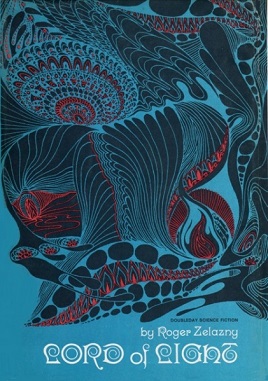
Does the darker atmosphere make it more viable in today's market or does the constant presence of sorcery and mage stuff make it less viable? Both? Neither? Will it cross the same audiences as Martin's work? Or get relegated to a niche because one element overwhelms the other? When you look at typical fantasy, like Terry Brooks' Shannara series, which is unarguably successful from a sales perspective, does that make it better than Roger Zelazny's brilliant and beautifully-written Lord of Light, which is barely remembered?
I'm not particularly concerned about the sales or audience questions at this point, since my story is largely unwritten and, thus, can't be sold even if people wanted to buy it. It's just another of those theoretical questions that invade my brain and cause me to wonder about people's identity crises vis-a-vis their choice of media. Is it OK to be a prototypical "jock" and like fantasy? Or only Game of Thrones-type fantasy? Do those labels even apply anymore? I'm a diehard Michigan football fan who understands the 4-3 under (that's a defense) better than most football fans I've ever met. But I have a closet full of board games, the majority of which could typically be described as "geeky" (Descent, et al) because of their themes and styles. Does that make me the ideal "modern fantasy" consumer? Good thing I know several other people like me, I guess...
So, allow me to prove myself wrong almost immediately by having something occur to me that is not fiction, but is actually about fiction (Is fiction. Is not fiction...), since fantasy and SF seem to be hot items in the entertainment world these days (All those of us who've been fans for decades can finally roll our eyes once again at mainstream America in that respect: Yes. It was always cool.) But there's a bit of seeming hypocrisy present in the fantasy end of the genre and that's what I wanted to touch on because it directly affects what I'm working on from a viability standpoint.
Clearly, the hottest fantasy series out there right now is George R. R. Martin's A Song of Ice and Fire, known to many by the title of the HBO series, named after the first book, A Game of Thrones.
One of the most frequent comments I see about both the TV series and the books (as the vast majority of viewers seem to have become readers, much to the joy of Martin's bank account (and quite deservedly so; it's a strange world in which we live when a person's months or years of work can be bought for less than the price of a fast food lunch, but that's another post...)) is that Game of Thrones is appealing to them because the "fantasy" elements are largely left in the background. With the exception of one appearance by the Others in the first episode and the appearance of dragons in the finale and a couple minor bits along the way (zombies, the presence of the Wall, etc.), Martin's story is far more medieval power struggle than fantasy epic. Of course, since he largely based the series on the Wars of the Roses and Venetian clan conflicts, that's perhaps to be expected. I have grave news for those viewers who still aren't readers in that the fantasy elements tend to ramp up a bit in the second book (and, presumably, in the second season of the TV series, which begins this Sunday.) You'll see alchemists creating a fascimile of Greek fire, more evidence of the Others, shapeshifting assassins, Wildling mammoths, and a huge dose of mysticism in the mysterious city of Qarth. And, of course, the continued presence of flying, fire-breathing lizards. Will that same audience continue to be sucked in by Martin's brilliant characters and simply accept the emergence of the sorcery half of the typical sword-and-sorcery combo?
One of the interesting aspects to that declaration of the enjoyment of "non-fantasy fantasy" is the demeaning comparison to The Lord of the Rings. The latter is presented as the "too much magic" fantasy which Martin supposedly successfully avoids. The interesting thing about that is, if you read Tolkien's books, there really isn't that much typical fantasy involved, once you get past the very presence of elves, dwarves, and orcs. Take out the One Ring and that's short people and skinny people fighting bestial people, which could be propaganda in any number of wars throughout human history.
(Did I just imply that the uruk-hai were the misunderstood victims of politics? Oh, yes, I did.) The movies tended to add fantastical elements that really weren't present in the books (there is no on-camera telekinetic duel between Gandalf and Saruman, for example) but LotR is still considered the byword for something that real people wouldn't admit to reading or liking if they wanted to be accepted by mainstream America (despite the movies somehow raking in billions and several Oscars; I'm not getting into it...)
But the books are quite different. Tolkien used to harp on a concept he called "lore" more than anything else. The rings didn't actually do anything overt. You couldn't haul off and shoot fireballs with them. They simply enabled people to do other things. The elves built the scintillating forest realm of Lothlórien on the strength of one of the three rings. Sauron built the Barad-dûr on the strength of a ring that seemingly did nothing more fantastic than turning the wearer invisible. Nice for David Copperfield, but hardly something that would turn him into ruler of the world. But the "lore" behind it was what was important. It was the theme of Tolkien's story; his disdain for the modern world and its machine-like impulses (most prevalent in the pursuit of war) when the truer, deeper, more elevated impulses were those embodied by not humans: mostly elves. It was a longing for a time that had never been when confronted by a time that he really didn't care for (having been a participant in WWI and with his son an active participant in WWII while he was writing The Lord of the Rings.) The sword-and-sorcery fantasy in Tolkien's work is actually far more conceptual than what would produce big explosions on screen. But his work is now often derided because it is the foundation of modern fantasy and Martin's work, possessed of far more adult-oriented themes than much of Tolkien's work (savage murder by other humans as opposed to monsters, sex, overt politics (as opposed to the subtle themes of Minas Tirith), etc.), is given credit for being that much more "real", walking precisely the path that Tolkien so derided for being what it was. Tolkien wanted to be fantasy and is now derided for it. Martin's story is fantasy and will become even more overtly so once the dragons start contesting the world with the walking ice men, but is hailed for it.
Bringing this all around to what I'm doing: the prologue that I posted the other day is set in a world that is unapologetically fantasy, but not Tolkien fantasy. Magic is a constant presence but so is the presence of what Martin's books are often lauded for. For example, the pseudo-main character is a contract killer who happens to be of the class of people known as magi: those who can invoke powers beyond their world and use that energy to do fantastic things. But murder is a constant presence. So is the (supposedly) past element of slave trading. And labor rights. And the exploitation of the poor by the rich. And drugs. And, yes, "lore" in more of the Tolkien vein (or at least my interpretation of it.) It will be, in essence, both Tolkien and Martin taken to the Nth degree in many ways (except no dwarves or elves, sorry.)
Does the darker atmosphere make it more viable in today's market or does the constant presence of sorcery and mage stuff make it less viable? Both? Neither? Will it cross the same audiences as Martin's work? Or get relegated to a niche because one element overwhelms the other? When you look at typical fantasy, like Terry Brooks' Shannara series, which is unarguably successful from a sales perspective, does that make it better than Roger Zelazny's brilliant and beautifully-written Lord of Light, which is barely remembered?
I'm not particularly concerned about the sales or audience questions at this point, since my story is largely unwritten and, thus, can't be sold even if people wanted to buy it. It's just another of those theoretical questions that invade my brain and cause me to wonder about people's identity crises vis-a-vis their choice of media. Is it OK to be a prototypical "jock" and like fantasy? Or only Game of Thrones-type fantasy? Do those labels even apply anymore? I'm a diehard Michigan football fan who understands the 4-3 under (that's a defense) better than most football fans I've ever met. But I have a closet full of board games, the majority of which could typically be described as "geeky" (Descent, et al) because of their themes and styles. Does that make me the ideal "modern fantasy" consumer? Good thing I know several other people like me, I guess...
Tuesday, June 14, 2011
Fuji via Hokusai via Zelazny, condensed and reimagined
Subscribe to:
Posts (Atom)